Mussel biology programme celebrates 15 years of inspiring Te Tauihu young scientists
10 June 2026
The NCEA Level 3 mussel biology programme has reached a significant milestone. The 2026 cohort of students were the 15th to complete the workshop at Cawthron’s Aquaculture Park, last month.
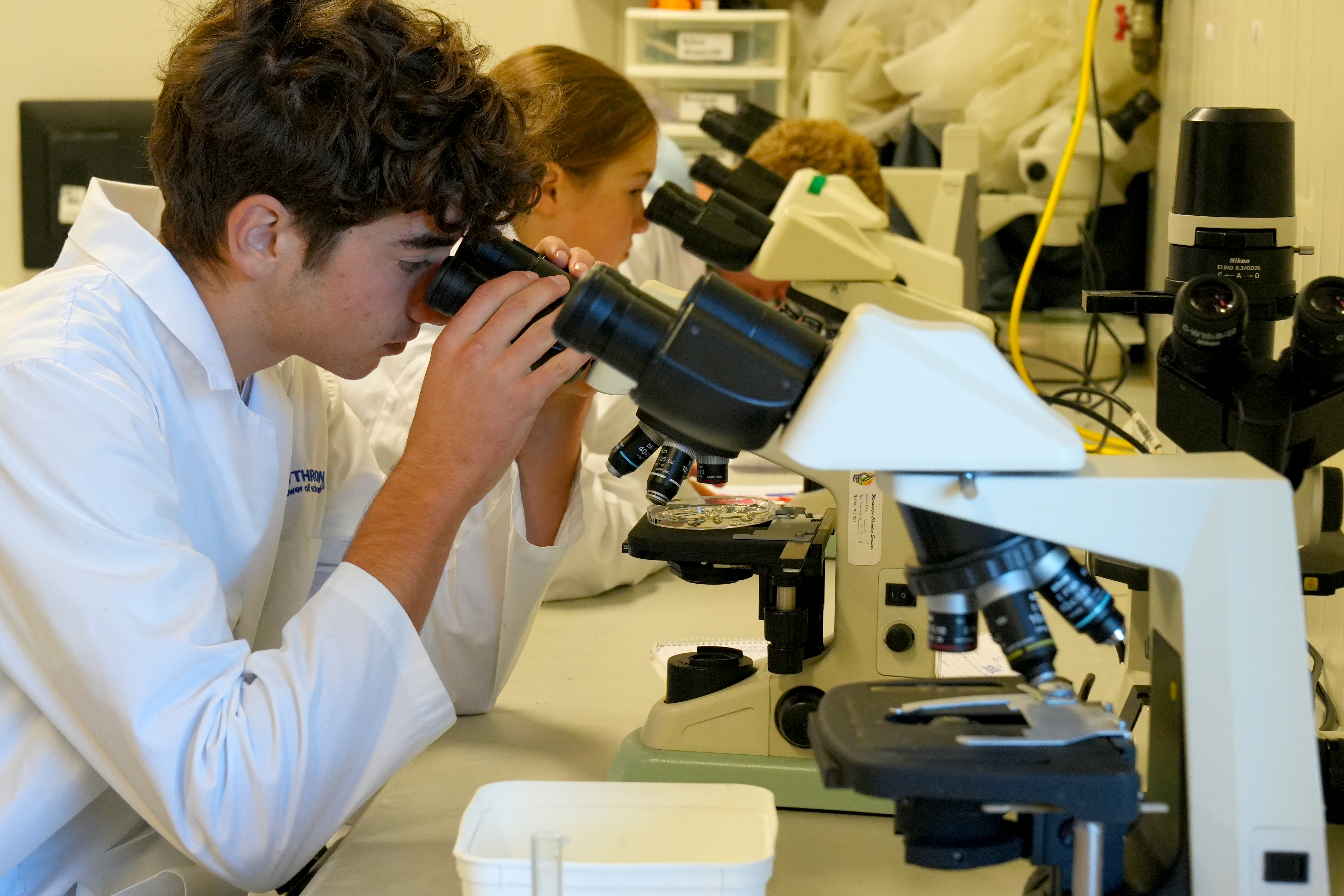
The annual series of two-day workshops is part of Cawthron’s community outreach and education programme. It supports students and teachers to complete an NCEA Level 3 practical investigation assessment, using equipment and techniques not typically available in schools.
This year 85 students from Nelson College for Girls, Queen Charlotte College, Golden Bay High School, Waimea College and Nayland College took part in the programme.
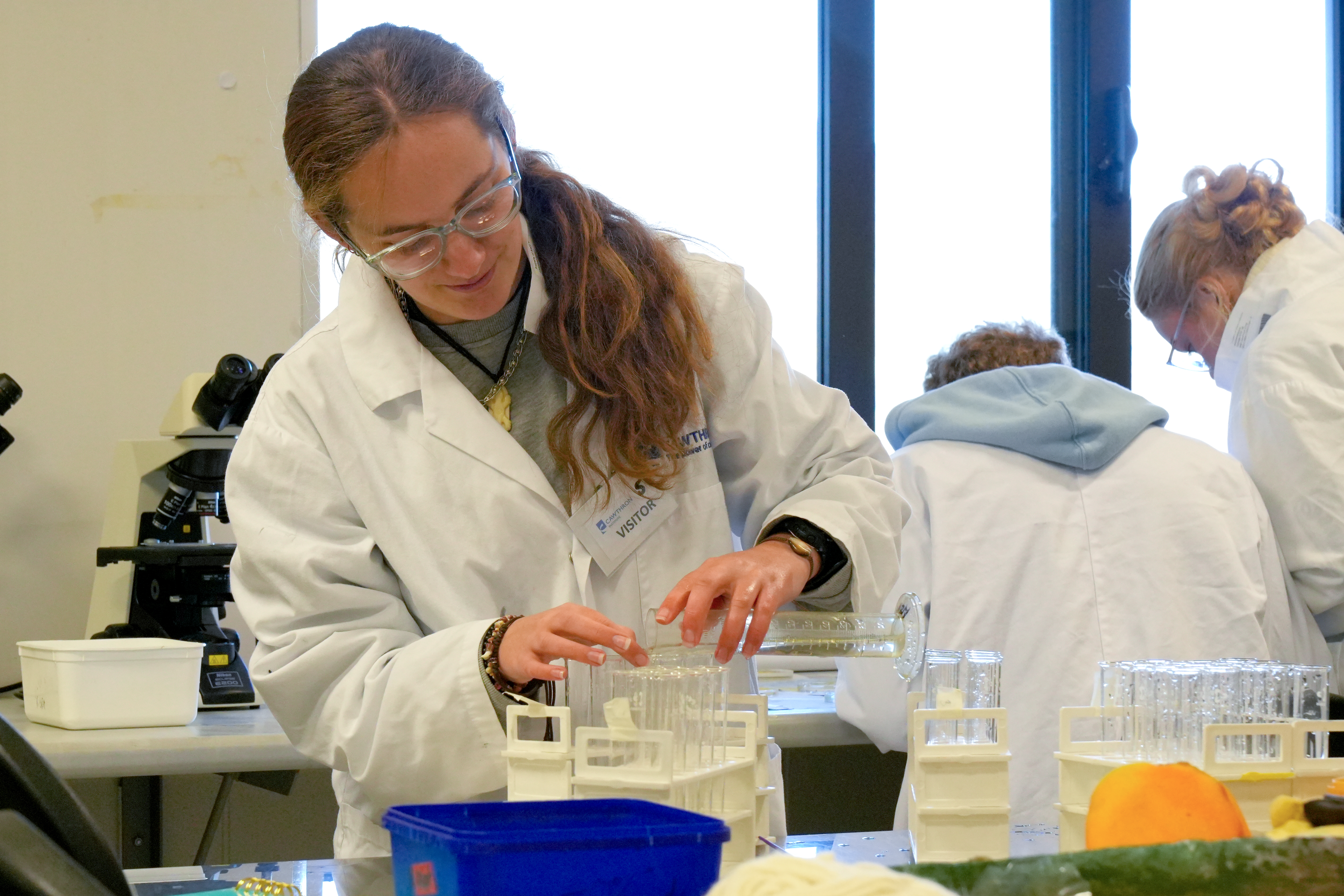
Working independently, students designed a range of investigations based on their research into current environmental stressors affecting adult and juvenile (spat) green-lipped mussels.
There was an interesting range of experiments linked to relevant real-life scenarios, including how changes in water salinity affect the heart rate of adult mussels and spat and what their preferred surface for attachment was.
The programme’s success over the past 15 years reflects the strong collaboration and generosity of many Te Tauihu individuals and organisations. The programme is a long-standing partnership between Cawthron, the University of Otago Marine Studies Centre, NMIT, and aquaculture industry partners.
A huge thank you to those who made the workshops possible this year:
- Glenis Paul, an educator from the Otago University Marine Studies Centre, led the workshops over 3 weeks, alongside Nelson educator Rick Field, while also coordinating programme logistics.
- NMIT provided access to teaching laboratories, technical support and equipment.
- MacLab and SpatNZ donated green-lipped mussels and spat.
- Moana New Zealand and FlipFarm Systems allowed students to tour their sites to learn about job opportunities in New Zealand’s aquaculture industry.
As with previous years, students as well as teachers see the value of the programme. Feedback highlighted the opportunity to conduct an experiment in a real-world setting while learning from those working in the aquaculture industry.
One student said the value of the workshop is “doing an experiment in an actual lab, supervised by experts, instead of just learning from books in school.” While another said it allowed them to experience the “behind the scenes of the industry”.
One teacher said the workshop was an “amazing chance for students to do real science and network, while opening their eyes to different career paths”.
The workshop is open all secondary schools in Te Tauihu. Please contact foundation@cawthron.org.nz if you would like information on participating in future workshops.
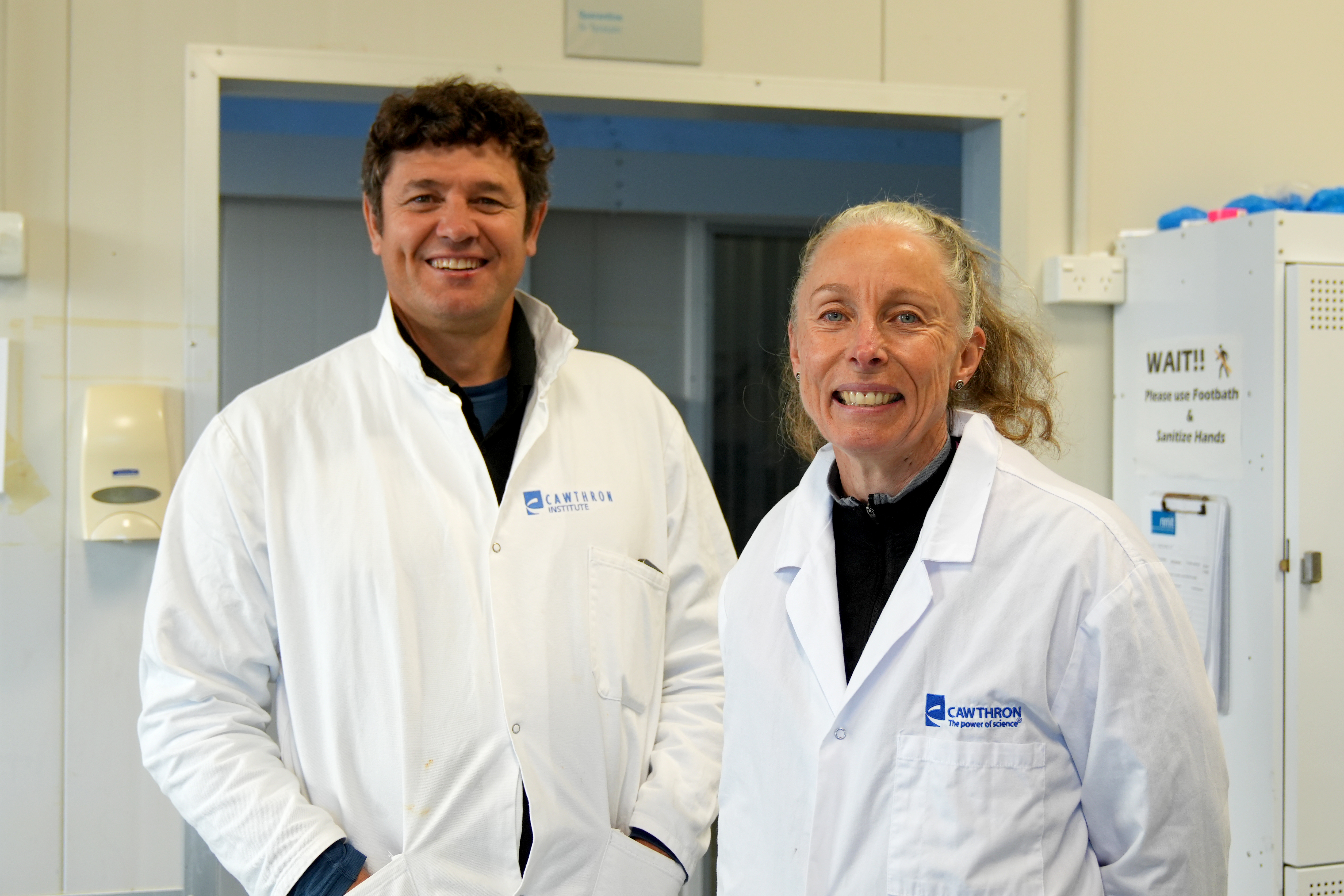
Image: Educators Glenis Paul (University of Otago Marine Studies Centre) and Rick Field.